
PAHA Newsletter

Mid-September, the PAHA team came together on Wadjuk Boodja for their inaugural “Gather and Grow” staff development event.
Issue #07 | October 2024
CEO Report
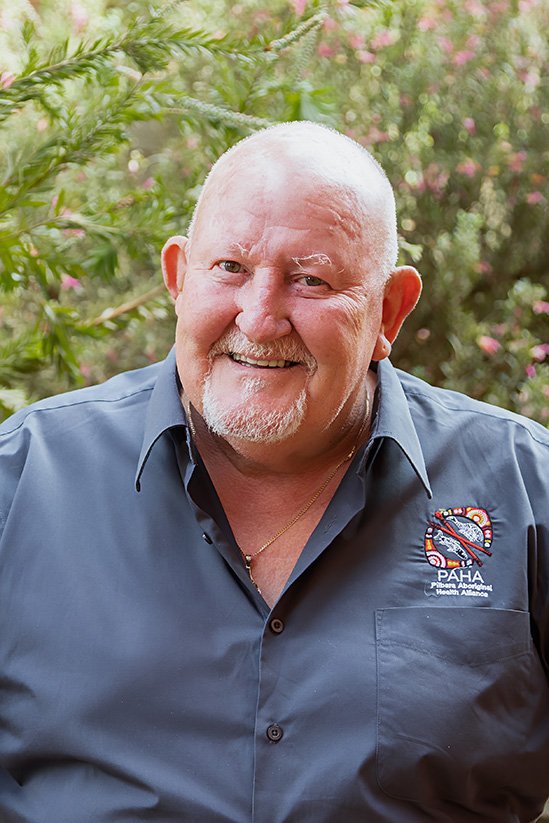
Chris Pickett
There’s an old saying: “If it’s Tuesday, this must be Belgium,” which captures the whirlwind of travel, meetings, and events that can leave one feeling disoriented about where they’ve been, who they’ve met, and what’s next. This is the reality for many of us navigating the Pilbara and travelling to Perth and beyond for various engagements.
I remember a time early in my career when typing pools would transform handwritten letters into typed correspondence on golf ball machines. These would be sent through the organisation’s registry via snail mail to the recipient, with responses often taking two weeks or more. We kept carbon copies of our letters in personal filing cabinets, and when tasks were complete, they were transferred to a massive storage unit called a Compactus, gliding on tracks embedded in the concrete floors. For those cutting-edge organisations, there were fax machines that took three minutes to send a single page – quite a challenge for a junior admin asked to send a 20-page document while trying to get away on a Friday afternoon. And during the 15-minute morning tea break, the tea lady would make her rounds, serving cups of tea along with the occasional ginger nut or scotch finger biscuit. Back then, that felt fast paced. Contrast that with the way we work today.
Forgive me for the nostalgia!
Now, returning to the present, it was fantastic to gather the PAHA team for two days at our ‘Gather and Grow’ event. It was a true in-person meeting, focusing on team communication, cultural immersion, strategic planning, and simply getting to know each other better. It was refreshing to spend quality time together, and I’m grateful to the PAHA crew for their candid reflections on our journey thus far and their hopes for the future.

Good News

Gather and Grow
Mid-September, the PAHA team came together on Wadjuk Boodja for their inaugural “Gather and Grow” staff development event.
The gathering commenced with enriching cultural learning sessions led by Banaam, an organisation deeply rooted in Indigenous cultural connections. Banaam shared their extensive knowledge, providing culturally intelligent solutions to the organisation. Through a series of thought-provoking activities, they illustrated Indigenous principles of effective communication, team building, and fostering interdependent relationships—strengthening our understanding and appreciation of these timeless values.
The afternoon was dedicated to team-building activities facilitated by BullShift. These sessions served as a platform for staff to enhance collaboration and cohesion. This engagement is just the beginning, as the team will continue to build and strengthen relationships over the coming months.
Day Two focused on deepening connections within the team and aligning our collective efforts to support PAHA’s strategic vision. Staff explored how they can contribute to a stronger, more committed, and focused team—laying the foundation for achieving our shared goals.
One of the standout moments from the two days was the Bush Tucker Tasting & Talk. This unique experience was hosted by Noongar Elder Dale Tilbrook, who shared the rich stories and history of the area, along with insights into local Indigenous food and culture. The team enjoyed tasting native foods and learning about their uses, deepening their connection to the land and its heritage.
The PAHA team emerged from this development event stronger, more unified, and with a renewed focus on future growth and development.
Events

CCC Update
We are thrilled to share the latest milestones of the Culture Care Connect program in the Pilbara region, as we forge ahead in advancing social and emotional wellbeing and suicide prevention.
On August 23rd, Puntukurnu Aboriginal Medical Service celebrated the dynamic launch of their Culture Care Connect Service in Newman. The event was a lively introduction to the co-designed model of care and a unique opportunity for community and stakeholder engagement. Participants delved into the details of the Pilbara Aftercare Model and the Pilbara Network Suicide Prevention Plan, gaining deep insights into our collaborative approach.
In the first week of September, our dedicated Pilbara CCC Team embarked on an exciting journey to the National CCC Summit in Gimuy (Cairns). Jessica Miles from Puntukurnu Aboriginal Medical Service, Landon Punch from Mawarnkarra Health Service, and our Culture Care Connect Network Coordinator, Kesi-Maree Prior, travelled a great distance to present their groundbreaking co-design process. They showcased their progress on the aftercare model and suicide prevention plan, sparking vibrant discussions, sharing knowledge, and forming invaluable connections.
Your unwavering support is crucial as we unite in building a suicide-safer Pilbara region. Together, we are making a difference!


AFPP Program Update
This month marks significant progress in the Australian Family Partnership Program (AFPP), with two AMS teams successfully recruiting to several key positions. For those unfamiliar, the AFPP is a long-term home visiting program supporting first-time mothers and their families from pregnancy through the child’s second birthday. Based on the internationally recognised Nurse-Family Partnership model, the program is tailored to meet the specific needs of Aboriginal and Torres Strait Islander communities, empowering families by providing health education, strengthening parental confidence, and fostering family and community bonds to ensure healthier futures for children.

In this edition, the Wirraka Maya Aboriginal Corporation Health Service AFPP team is highlighted as they prepare to begin enrolling new mothers. Nurse Home Visitor (NHV) Mahli and Family Partnership Worker (FPW) Leanne are in the final stages of preparation, a significant milestone in the program’s journey.
Mahli, a proud Mununjali and Noonuccal woman with strong family connections to Southeast Queensland, including Beaudesert and Stradbroke Island, brings extensive experience to the AFPP. Raised in Townsville, she has recently relocated to Kariyarra country in South Hedland with her family. Mahli has worked previously as a Nurse Home Visitor with the AFPP in Brisbane, supporting first-time mothers and babies, and later joined the AFPP National Support Service as a Nurse Consultant, where she was pivotal in delivering educational programs across 14 sites in AMS’s throughout urban, regional, and remote Australia. Her passion for empowering women, babies, and families, alongside her commitment to fostering self-efficacy and informed decision-making, makes her an invaluable addition to the Pilbara team.
Leanne, a proud Naaguja Yamatji woman from the Midwest Geraldton area, was born in Port Hedland and raised in the Pilbara. With strong connections to local communities,
Leanne steps into her new role as Family Partnership Worker, bringing a wealth of experience from her background in the mining industry and education. A proud mother of three and grandmother of three, Leanne recently returned to Port Hedland after more than a decade living and working away, and she looks forward to contributing her skills and knowledge to the AFPP.
Please join us in warmly welcoming Mahli and Leanne as they embark on their journey with the AFPP in the Pilbara!
PAHRA Update
It’s been a particularly busy time for the Panel, with 13 research applications submitted this year. We anticipate a continued influx of proposals in the coming months as interest in health research across the Pilbara grows. These applications cover a wide range of critical topics that directly impact our communities, some of the topics include maternal and early childhood health, eye care, the health effects of climate change, and food security. These issues are not only timely but also essential to improving health outcomes in the Pilbara, especially in remote areas where healthcare access can be limited.
In response to the unique needs of the region, we’ve implemented several important changes in how we approach research. One key shift is placing a stronger cultural lens on all research conducted here, ensuring that projects

are not only scientifically sound but also culturally appropriate and respectful of Aboriginal knowledge and perspectives. We believe this will lead to more meaningful, community-driven outcomes that truly reflect the needs and values of the people living in the Pilbara.
To further enhance the integrity of research, we’ve introduced stricter reporting requirements, holding researchers to higher standards of accountability. This ensures that they remain transparent and responsive throughout the research process. However, with these advancements come additional costs. To help cover the administrative work and the expertise required to evaluate applications and provide ongoing guidance, we’ve introduced an application fee. This fee will support the ongoing sustainability of the Panel’s work and ensure we can continue to provide valuable oversight and input into future research projects.