Throughout the months of October and November we have been leading the process of meeting with Service Providers, Supporting Organisations, Stakeholder Bodies, and Community Members to consult with them, regarding the current experiences and challenges with accessing health and wellbeing services and support in the Hamersley Ranges area.

This process saw PAHA create and facilitate space for Service Providers and Supporting Organisations to share their perspectives, priorities, and challenges that they experience in the delivery and support of the delivery of health and wellbeing services throughout the area.
Whilst we were able to identify and record some valuable key learnings and insights, it also highlighted that there is a significant need for ongoing space for these stakeholders to regularly meet and engage, with the intention of creating a strengthened and collaborative impact through their respective service delivery.
This is a common issue across all Communities and Organisations, however we are well placed to leverage the opportunities through the Caring on Country Project to respond to and support the addressing of this issue.
The ongoing establishing and maintaining of relationships with all Service Providers and Supporting Organisations is critical to the success of the Caring on Country Project.
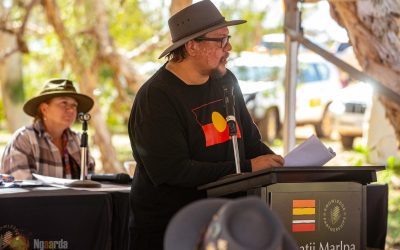
At the beginning of November, we facilitated On-Country consultations and engagement activities, supported by our Member Services, through both PAMS and WMHSAC travelling across to Tom Price to attend the event and provider SEWB support and to share knowledge with the Community about AMS’ capabilities and ways of working. This gathering over the two days was a unique opportunity to bring in the lived experiences of Community Members within the Hamersley Ranges area, in dealing with fixed services within the Communities, as well as sharing their experiences, or the lack of knowledge of the visiting services that also service this area.

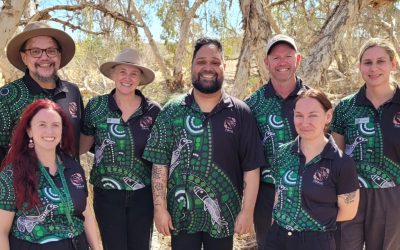
Creating space on-Country allowed for a comfortable environment where Community members could speak freely about their experiences. It was important that PAHA created and maintained Cultural safety, and comfort through these engagements. The event saw almost 100 Community Members and Service Providers attend the events across the two days, which was well supported by our combined teams from WMHSAC and PAMS, seeing an array of knowledge, skills, and experience to support the Community, including a Senior Medical Officer and GP, a Midwife and Women’s Health Officer, a Social Worker, a Family Support Worker, an Aftercare Program Officer, a SEWB Counsellor, and members of the Management Teams.

Through the combination of consultation methods including yarning-circles, written surveys, and informal yarning, we took the opportunity to listen deeply to what was being shared.
Some of the key challenges that were identified as priority focus areas include: Access to Services, Cultural Safety, Costs, and Support for Transport to Regional Appointments. These concerns and themes were also echoed from the Service Providers and Community Organisations who shared in similar or the same experiences.
Testimonials included:
“The revolving door of doctors has damaged relationships with communities.”
“We want Aboriginal staff.”
“Doctors don’t understand our Culture.”
When asked about the ability to access normal health services, one Community Member shared “it’s very hard sometimes due to availability and costs.”
Whilst we identified and heard many challenges and issues, it was also refreshing to hear the Community and Service Providers alike, identify potential solutions and ways of working that would be better suited for the Communities’ needs and priorities.
Service Providers and Community Organisations and Stakeholders all shared in the same commitment for ongoing collaboration and integration, having all experienced the challenges of working in challenging conditions and systems, calling for a centralised system or approach to enable continuity and collaboration.

PAHA will now focus on analysing the data and inputs from these consultations to refine the service delivery model and method for a multi-disciplinary outreach team service to deliver regular health services to the area.
It is expected that this health service will be commencing within the first three months of 2026. PAHA will continue to liaise and coordinate with key stakeholders in the lead up to the launch of the service.